

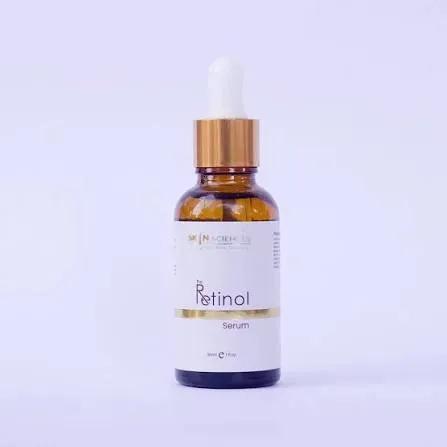
Vitamin C and retinol are both effective skincare ingredients, but they work in different ways. It is mainly used for brighter-looking skin, uneven skin tone, dark spots, and antioxidant protection, while retinol focuses more on fine lines, uneven texture, skin renewal, and visible signs of aging. The better option depends on your skin concerns and skincare goals. In this guide, we compare their benefits, uses, differences, application times, and how to use both in a simple skincare routine.
Vitamin C and Retinol: Understanding the Basics
Before comparing the two, it helps to understand what each ingredient does.
Vitamin C Serum is an antioxidant that helps protect the skin from oxidative stress caused by environmental factors. It can also support a more even-looking complexion and improve the appearance of dull skin.
Retinol is a vitamin A derivative. It works by supporting skin cell turnover and can help improve the appearance of fine lines, uneven texture, and some forms of pigmentation over time.
Although both ingredients can be valuable, they are not interchangeable. The better choice depends on your skin concerns, tolerance, and skincare goals.
What Does Vitamin C Serum Do for Skin?
Vitamin C serum is particularly popular among people who want brighter and more even-looking skin.
Helps Brighten Dull-Looking Skin
One of the most common reasons people use vitamin C is to improve the appearance of dull skin. Regular use can help the complexion look fresher and more radiant.
This makes vitamin C a useful option when your main concern is lack of brightness rather than visible signs of aging.
Supports a More Even Skin Tone
Uneven skin tone can develop due to sun exposure, post-acne marks, and other environmental factors. Vitamin C can support a more balanced-looking complexion when used consistently.
It should not be viewed as an instant solution. Skincare results usually require regular application and appropriate sun protection.
Provides Antioxidant Protection
Daily exposure to environmental stressors can contribute to oxidative stress. As an antioxidant, vitamin C helps support the skin against this type of stress.
For this reason, vitamin C is commonly included in morning skincare routines.
Supports Collagen Production
Vitamin C also plays an important role in collagen formation. With consistent use, it can support skin that looks firmer and healthier.
However, results vary depending on the product formulation, concentration, skin type, and consistency of use.
What Does Retinol Serum Do for Skin?
Retinol Serum is one of the most widely recognized ingredients for addressing signs of skin aging and texture concerns.
Helps Improve the Appearance of Fine Lines
Retinol supports skin renewal and can help reduce the appearance of fine lines with consistent use.
It is often chosen by people who want to build a long-term anti-aging skincare routine.
Improves Uneven Skin Texture
If your skin feels rough or looks uneven, retinol may help create a smoother-looking surface over time.
Unlike a basic hydrating serum, retinol works more deeply on the processes involved in skin renewal, so patience is important.
Helps With Uneven Skin Tone
Retinol can also support a more even-looking complexion. Because it encourages skin renewal, it may be useful for people dealing with the appearance of post-acne marks and uneven pigmentation.
Supports Skin Renewal
One of the key differences between vitamin C and retinol is that retinol directly influences skin cell turnover.
This makes retinol particularly useful when texture, fine lines, and signs of aging are the main concerns.
Vitamin C vs Retinol: Key Differences
The simplest way to understand the difference is to look at their primary strengths.
Feature | Vitamin C | Retinol |
Main role | Antioxidant and brightening | Skin renewal and anti-aging |
Best for | Dullness and uneven tone | Fine lines and uneven texture |
Common use | Morning | Evening |
Skin renewal | Indirect support | Stronger direct effect |
Antioxidant protection | Yes | Not its main role |
Beginner-friendly | Usually easier to introduce | Requires gradual introduction |
Sun protection | Essential | Essential |
Neither ingredient is automatically better for everyone. Your skin concern should determine which one you prioritize.
Vitamin C or Retinol: Which One Should You Choose?
The right choice depends on what you want to improve.
If your primary concern is dullness and uneven skin tone or the appearance of dark spots, vitamin C may be a more suitable starting point.
If your main concern is fine lines and rough texture or visible signs of aging, retinol may be more appropriate.
However, you do not necessarily have to choose only one. Many skincare routines can include both ingredients when they are introduced carefully.
Vitamin C Serum for Brightening and Dark Spots
Vitamin C is often selected by people who want a brighter complexion.
It can be particularly useful when your skin looks tired or uneven. It may also complement a routine designed to improve the appearance of post-acne marks and pigmentation.
However, pigmentation can have many causes. Using a serum without daily sun protection can make it harder to maintain progress.
For Pakistani skin care users, sunscreen is especially important because regular sun exposure can contribute to tanning, uneven pigmentation, and premature-looking skin.
Retinol Serum for Fine Lines and Texture
Retinol is generally more focused on long-term skin renewal.
People concerned about fine lines, roughness, enlarged-looking pores, and uneven texture may consider adding retinol to their nighttime routine.
However, retinol can initially cause dryness, redness, peeling, or sensitivity in some people. Starting with a lower frequency can help the skin gradually adjust.
A simple approach is to use it a few nights per week at first rather than applying it every night immediately.
Can You Use Vitamin C and Retinol Together?
Yes, vitamin C and retinol can both be part of the same overall skincare routine. However, using them at the same time is not necessary to get benefits from both.
A practical approach is to separate them:
Morning: Cleanser → Vitamin C serum → Moisturizer → Sunscreen
Evening: Cleanser → Retinol serum → Moisturizer
This routine allows you to benefit from both ingredients while keeping the routine straightforward.
If your skin is sensitive or you are new to active ingredients, introduce one product at a time. This makes it easier to identify which product is causing irritation if your skin reacts.
How to Start Using Vitamin C and Retinol Serum
Vitamin C Serum: Apply a few drops to clean skin in the morning, followed by moisturizer and sunscreen. Start consistently and avoid using more products than recommended.
Retinol Serum: Apply a small amount to clean, dry skin at night, starting a few times per week. Gradually increase use as your skin adjusts, and always follow with moisturizer.
Which Serum Is Better for Different Skin Concerns?
Your specific concern can help you decide where to start.
For Dull Skin
Vitamin C is generally the more relevant choice when your goal is a brighter-looking complexion.
For Dark Spots
Vitamin C can support a more even-looking complexion, while retinol can also help improve uneven pigmentation through skin renewal.
For Fine Lines
Retinol is generally the stronger choice for addressing the appearance of fine lines and other signs of skin aging.
For Uneven Texture
Retinol may be more suitable because of its role in skin renewal.
For Environmental Protection
Vitamin C has an advantage because it is an antioxidant that helps support the skin against oxidative stress.
For an Anti-Aging Routine
Both can have a place. Vitamin C can provide antioxidant support and help improve brightness, while retinol focuses more strongly on skin renewal and visible signs of aging.
Common Mistakes When Using
Even effective ingredients can cause problems when used incorrectly.
Using Too Many Actives
Adding vitamin C, retinol, exfoliating acids, and other active ingredients all at once can overwhelm the skin.
Build your routine gradually.
Skipping Sunscreen
Sunscreen is essential when you are trying to improve pigmentation, uneven tone, or signs of premature skin aging.
A good serum cannot compensate for inconsistent sun protection.
Starting Retinol Too Frequently
Using retinol every night from the beginning can increase the likelihood of irritation.
Start slowly and allow your skin to adjust.
Expecting Immediate Results
Neither vitamin C nor retinol should be treated as an overnight solution.
Skin improvement takes time, and results depend on factors such as formulation, consistency, skin type, and the concern being treated.
Using Too Much Product
Applying more serum does not automatically produce faster results. Follow the product's directions and use an appropriate amount.
How to Choose a Quality Serum
When choosing between, do not focus only on the ingredient name.
Consider the formulation concentration packaging skin compatibility product instructions and overall quality.
A well-formulated product that you can use consistently is often more useful than a very strong product that causes irritation.
For Pakistani consumers it is also important to buy skincare from reliable sources and check the product packaging ingredients directions and storage instructions.
Skin Sciences offers skincare products with commonly used active ingredients. Choose a serum based on your skin concerns rather than simply following skincare trends.
Summary
Both help improve the skin but they work in different ways. It is good for bright skin dark spots uneven skin tone and skin protection. Retinol is better for fine lines rough skin texture and signs of aging. This is usually used in the morning with sunscreen. Retinol is usually used at night and should be started slowly. You can use one or both based on your skin needs. The most important thing is to choose the right product use it correctly and stay consistent with your skincare routine.